
 / AI
/ AIAI
AI here is not commentary from the sidelines — it is part of my daily engineering work and how I lead teams. I use agentic coding tools to build and maintain real products, drive the adoption of AI-assisted workflows in engineering teams, evaluate models against my own project specs, and document what actually works for people who ship software.
AI in my workflow
AI adoption in teams
I bring agentic coding and AI-assisted workflows into engineering teams: tool selection, guardrails, review practices, and measuring what actually helps delivery rather than what just looks impressive.
Agentic coding
Claude Code and similar CLI agents do real implementation work in my projects — features, refactoring, maintenance — with me acting as architect and reviewer of every change. The full write-up: how I split work with agentic coding tools.
Assistants and local models
IDE assistants handle completion and quick questions when I write code myself; local models cover private experiments, offline workflows, and testing what smaller models can really do.
Design and review
Frontier chat models are my sounding board for architecture options, tricky trade-offs, code review, and writing.
Evaluation over hype
I benchmark models on my own coding prompts and project specs — Prompt Vault — instead of trusting leaderboards and demos.
Sharing in public
Everything that survives real use ends up on the Zero to MVP channel and in Zero to MVP Weekly.
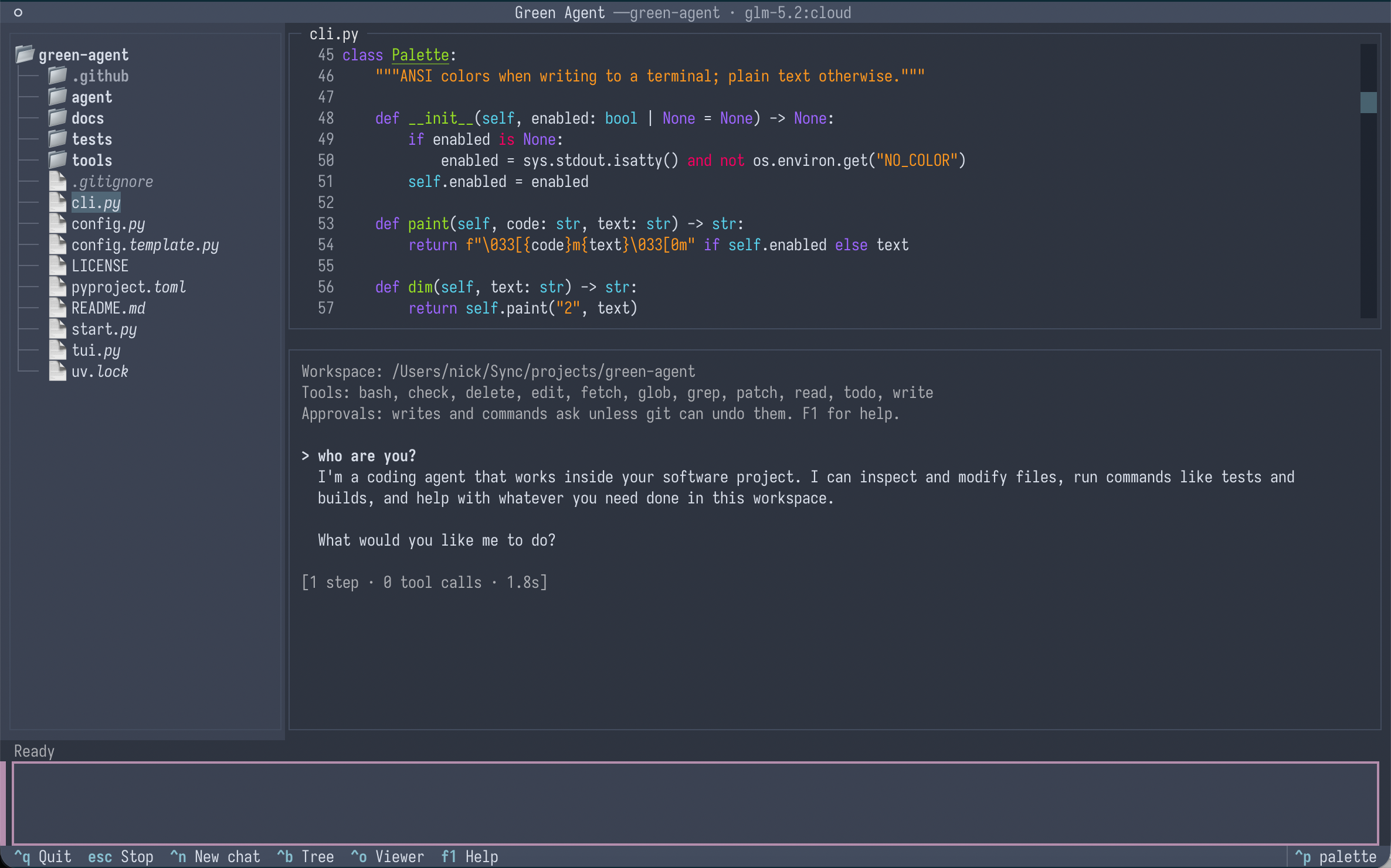
Green-Agent
I designed and built Green-Agent, a minimal Python coding-agent harness with a tool loop, workspace-contained file tools, and an approval policy. It works with OpenAI-compatible APIs.
Start here
The most recent episodes — what the channel actually looks like.
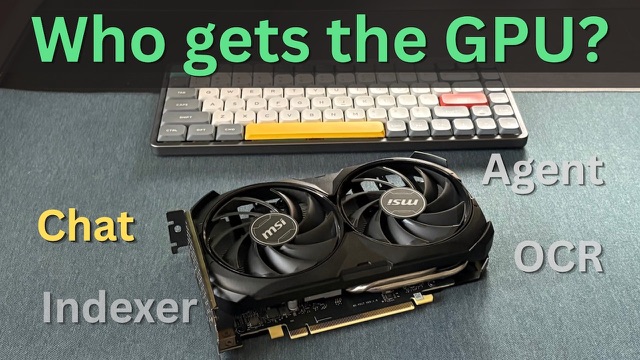
GridCore, a GPU scheduler I built, decides which local model runs, which waits and which gets unloaded — so interactive chat always comes first.
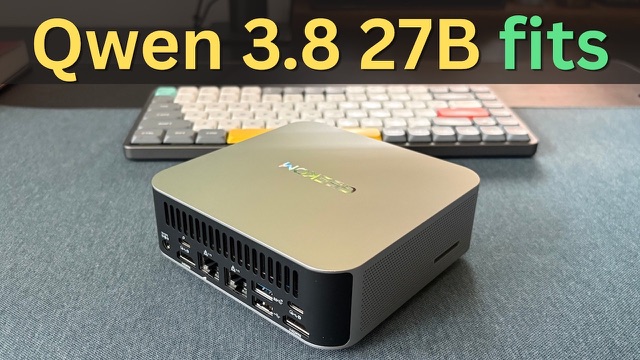
Six models from 5B to 35B on a mini PC with 32 GB of memory and no desktop GPU — with the measured speed of each and the ones I kept.
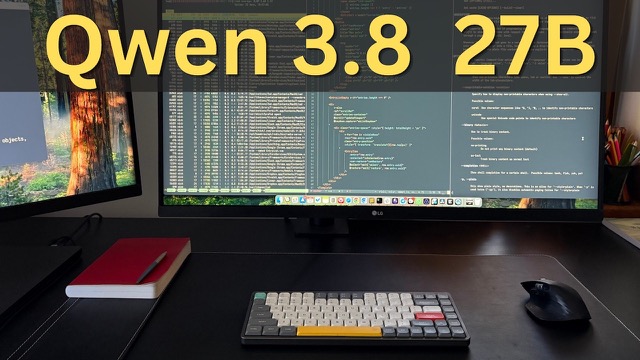
Where a local Qwen 3.8 holds up unsupervised and where it starts to drift — tested on real tasks, not benchmarks.
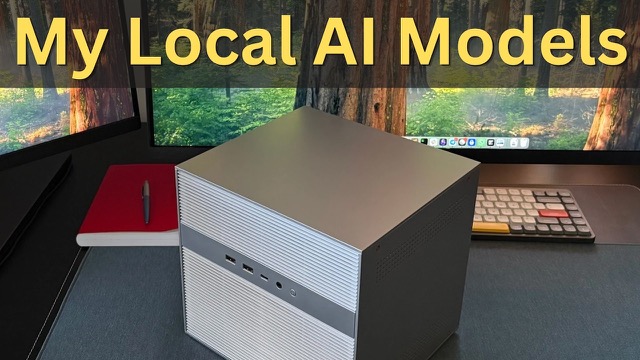
Small local models running around the clock on my own hardware — and the jobs they quietly do better than a frontier API.
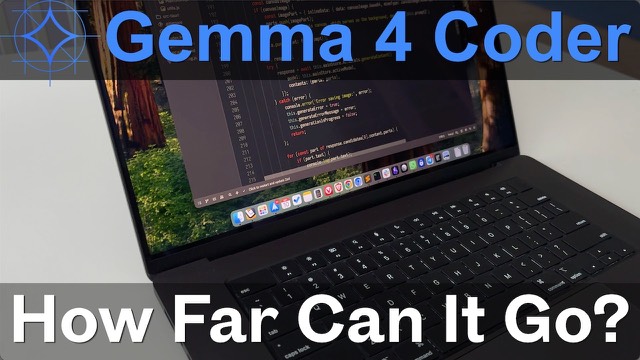
A community coding fine-tune, run on a laptop and pushed through my Prompt Vault tasks until it broke.
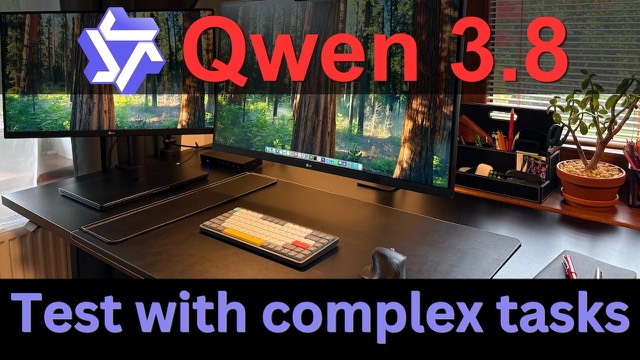
Qwen 3.8 continues an app its smaller predecessor wrote — tagged in the repo, so you can see which model did what.
Watch · Read · Use
Watch real products get built and shipped with AI — and take the workflows that survive.
One AI signal, one tool, one MVP idea — a practical 5-minute email. No hype, no link dumps.
The thoughts and observations that don't fit the newsletter — and the more personal videos that don't suit the channel's format.
Coding prompts and detailed project specs across four difficulty levels — for benchmarking LLMs, and as ready-made project ideas.